



In this article, we’ll explore relationship therapy and relationship counselling, and how they can help couples build healthier, more fulfilling relationships. By creating a safe and supportive environment, couples therapy provides the space to address, explore and resolve relationship issues.
According to research from the AAMFT (American Association for Marriage and Family Therapy), couples therapy positively impacts 70% of clients. Additionally, two-thirds of those in family or marriage therapy report improvements in their physical health.
While therapy is often effective, it’s essential to remember that each couple, relationship therapist, and situation is unique. Different therapeutic approaches suit different needs. For example, EFT (Emotionally Focused Therapy) helps couples strengthen their emotional bonds, while CBT and systemic therapy focus more on communication. Psychodynamic therapy, on the other hand, explores unconscious patterns in behavior. Many relationship therapists use an integrative approach, combining these methods to tailor the therapy to each couple’s unique circumstances.
Key Takeaways:
- Couples therapy sessions can be very helpful for couples struggling with communication or couples who want to explore and break negative patterns present in their own life and relationship.
- There are many different therapeutic techniques that can be used to help the couple and partner’s individual situations.
- Relationship therapy and counselling is overwhelmingly effective with a high success rate.
- Couples therapy or counselling can be for anyone, even if couples don’t think they need therapy it can always help with communication and strengthening the bond.
What Should I Expect From Relationship Counselling?
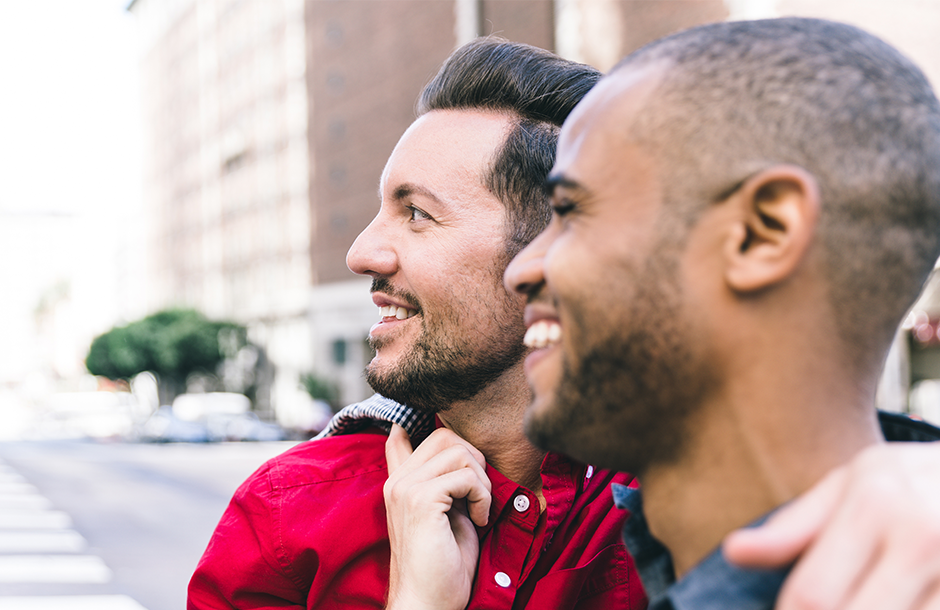
What could my first couples therapy session look like?
The first session of couples therapy will usually involve your therapist trying to get to know you and your relationship. The therapist will ask questions and develop an understanding of the relationship dynamic you have as a couple and why you are seeking couples therapy.
What happens in relationship therapy?
Of course, it will depend on the type of therapy technique the therapist is using but therapy allows clients to discuss issues from the relationship in a safe, neutral space. Often, therapy provides a context that can let couples air issues that they might not have the confidence to talk about in an everyday environment.
What role does a therapist play in relationship therapy?
Firstly, a therapist creates a neutral space where couples can express themselves in the way they need to. The therapist also facilitates conflict resolution, allowing couples to resolve conflicts in constructive ways. A therapist will also teach couples new strategies and skills to solve problems in the relationship.
Techniques used in counselling
The therapist supports the couple and acts as an emotional mediator; this gives partners emotional support and keeps an emotionally safe environment. These are just a few of the roles that a therapist will play in therapy but it is important to remember that the roles a therapist plays will change depending on the current situation, the couple’s specific needs and the therapeutic approach the therapist is using.
It is important to emphasise the need to find the right therapist for your relationship. Keep in mind that every therapist is different, and the chemistry between the couple and the therapist must be strong to create a supportive environment for counselling.
The Stages of Relationship Counselling
Defining the Problem
Throughout couples counselling, the couple will work through issues in different stages with the therapist. The first stage is the couple’s understanding and identifying issues within their relationship. This stage is essentially just setting the groundwork for the rest of their therapy together, this is a very important step as it will set the tone for the rest of their journey.
Developing Empathy
During the second stage, the partners, with the help of their therapist, will try to understand the other person’s perspective. This part of couples therapy is about partners developing listening skills, trying to build empathy and understanding for each other.
Applying Antidotes
The third stage is all about developing skills and strategies to improve the relationship. The therapist will help the couple introduce skills into their life and relationship which will break negative patterns and behaviours and will improve emotional wellbeing and communication for the partners. This stage is very important as during this stage, couples may learn skills that they will think about for years to come. Often, this part of counselling is the most impactful.
The Love Contract
The final stage is just about establishing what the couple will do with what they have learned and developed throughout the couple’s counselling sessions. Couples may also decide to put goals in place for the future, to help them continue to develop their relationship outside of therapy sessions.
It is important to remember that although these stages of therapy are a basic outline of what couples counselling might look like, each situation is different so each component may look different for different people.
Does Relationship Counselling Really Work?

Success Rates and Evidence
Couples counselling is proven to be overwhelmingly effective with research showing 70% of couples benefiting from it. Often, couples getting therapy together can be the difference between a breakup and a happy, healthy relationship. For other couples, therapy can be about finding a healthy way to separate, this may be especially important when there are children involved.
Long-term Benefits and Follow-up
Couples often experience immediate relief during counselling, which can offer hope for their relationship, but the long-term benefits are equally, if not more, crucial. Therapy helps couples build lasting skills for overcoming conflicts and developing core values that strengthen their relationship over time. Continuous maintenance, whether through revisiting learned techniques or attending follow-up sessions, plays a key role in ensuring these benefits endure and in supporting the relationship in the long term.
Challenges and Misconceptions
People generally think of relationship counselling or therapy as something couples use to ‘save’ a relationship, but this is not the case. Couples counselling can help a couple at any stage in their relationship, regardless of whether they are having issues or not. Another misconception is that getting help with your relationship has to include both parties. In certain cases, individual therapy for a relationship can also be helpful.
Relationship Issues In Couples Counselling

Communication Breakdown
In relationships of all kinds, it is easy to have miscommunications between partners. Often communication issues can become the heart of conflict in a relationship as one simple miscommunication can lead down a rabbit hole of unresolved conflicts, feelings of emotional distance and misunderstandings. Through couples counselling, couples will learn communication techniques to try to avoid these issues. This could be through active listening techniques, non-verbal communication awareness or learning to communicate feelings more constructively.
Sexual Issues and Intimacy
For many couples, sexual intimacy is an important part of their relationship. For this reason, sexual difficulties can be a big struggle in some relationships. Some of the issues couples have may be things such as mismatched libidos, dissatisfaction with the intimacy itself or performance anxiety. Speaking about these types of issues in a relationship can often feel awkward or uncomfortable but the safe space and mediation that a therapist provides allows couples to have these conversations constructively and openly.
Family and Cultural Influences
In relationships of different cultures, things such as family history, differing cultural expectations and upbringing can affect dynamics within a relationship. Couples counselling can help partners understand the way these factors affect their relationship. The therapist can help them unpack the cultural patterns and differences. Understanding each other’s differences and honouring and recognising each other’s beliefs and values will help to build a stronger partnership.
Due to their neutrality, a therapist can help a couple think about a range of issues such as cultural pressures, or personal insecurities. A therapist will help partners think about emotions, empathy, commitment and accountability, allowing couples to address potentially sensitive subjects in a supportive environment. It is important to remember that a therapist will tailor their approach to each couple’s individual case as every situation is unique.
Strengthening Your Relationship Through Therapy
Communication is key to any relationship, and therapy can help couples who are struggling to communicate effectively or simply want to strengthen their connection and deepen their bond. Whether you’re facing challenges like unresolved conflicts, emotional distance, or just want to enhance the quality of your relationship, therapy provides a safe and supportive space to work through these issues together. It’s important to remember that therapy isn’t only for couples in crisis—it can also be a proactive step to maintain a healthy and thriving relationship.
One of the most crucial steps in this process is choosing the right therapist for you and your partner. A therapist who understands your unique needs and relationship dynamics can make all the difference in your experience and outcomes. Finding someone you both feel comfortable with is essential for building trust and ensuring that the therapeutic journey is as effective as possible. So, take the time to research, ask questions, and choose a therapist who truly resonates with both of you. Therapy can always be for you, no matter where you are in your relationship.